Why Compost Matters
Every day, food scraps and organic waste end up in household bins across Mauritius — contributing to overflowing landfills and unnecessary waste. Composting is a simple way to turn that waste into something valuable: nutrient-rich compost that helps plants grow naturally while reducing your environmental impact at home.
Important note: This guide focuses on composting your organic waste at home. Eco Pick compostable bags are certified compostable under proper composting conditions and are better suited to controlled composting environments, including industrial composting. In normal home compost bins, they may take longer to break down.
Reduce Waste
Cut down household waste and reduce what goes to landfill.
Enrich Your Soil
Create natural, nutrient-rich compost for healthier plants and gardens.

Protect Mauritius
Reduce plastic pollution and support a cleaner, greener island.
How to Compost at Home
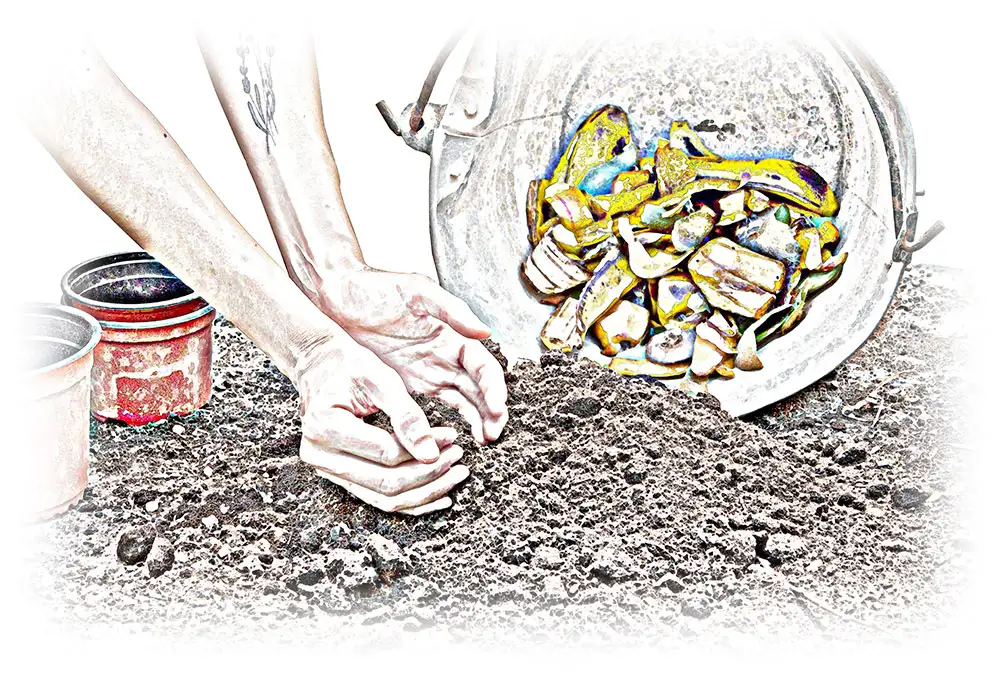
Composting at home is easier than most people think. With the right mix of kitchen scraps, dry garden waste, air, and moisture, you can turn everyday organic waste into rich compost for your plants and garden.
1. Start with a Compost Bin
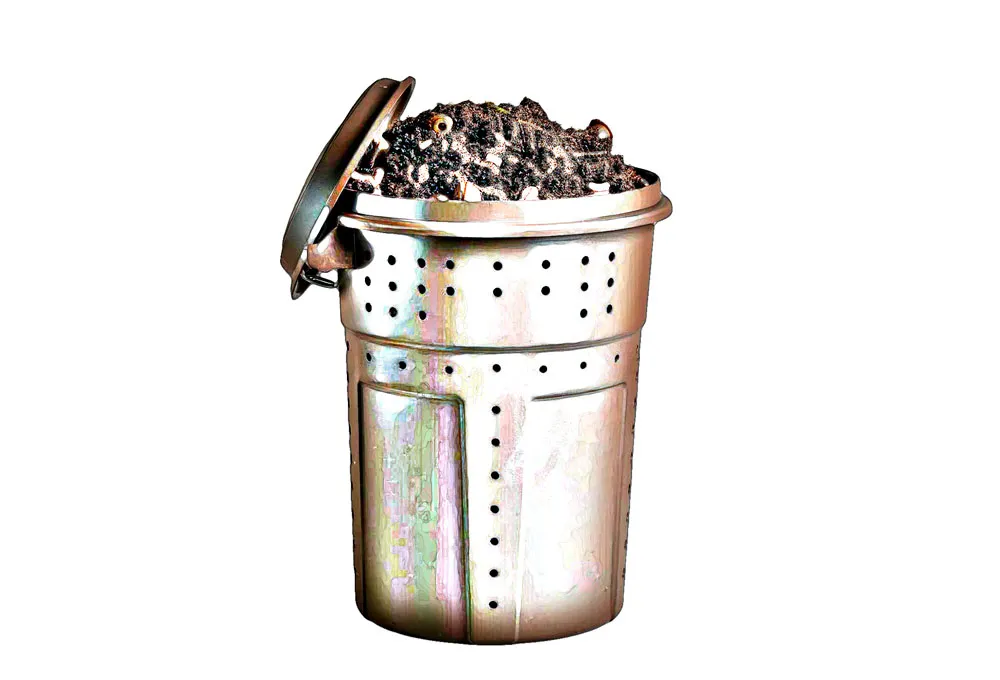
You do not need complicated equipment to begin. Start with a compost bin, a clean plastic drum, a bucket with air holes, a wooden compost box, or a shaded corner of your garden.
For most homes in Mauritius, a covered bin works best because it helps control moisture, smell, and pests. You can find compost bins at garden centres, hardware stores, agricultural suppliers, or even make one yourself using a clean plastic container with small ventilation holes.
Eco Pick Tip: Keep your compost bin in a shaded area with good airflow.
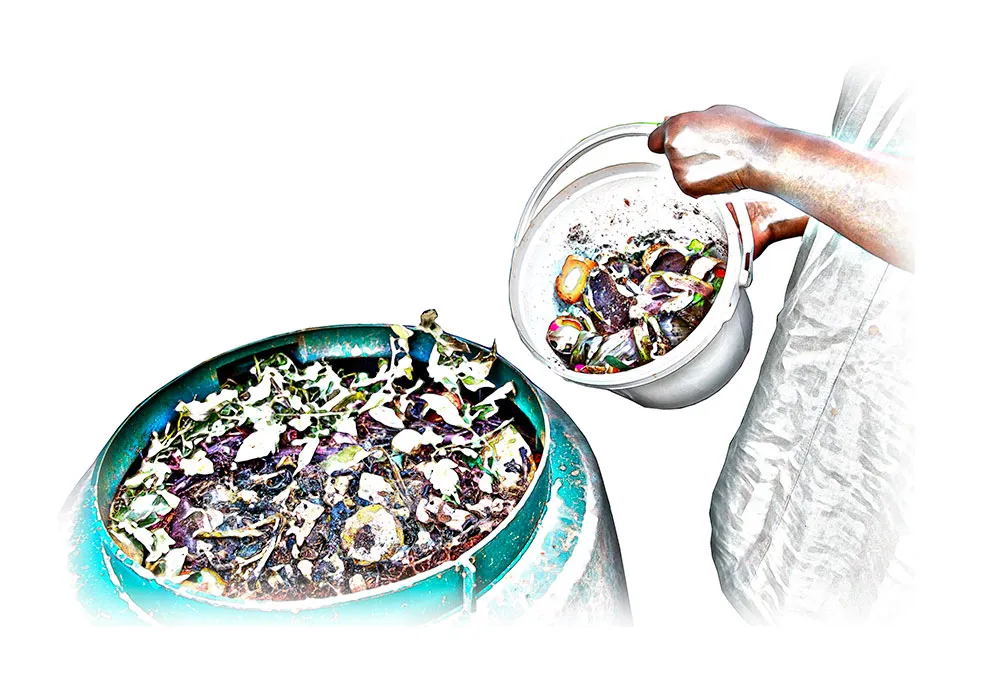
2. Feed Your Compost Properly
Good compost starts with the right materials. Many things we throw away every day in Mauritius can be composted instead.
- You can add:
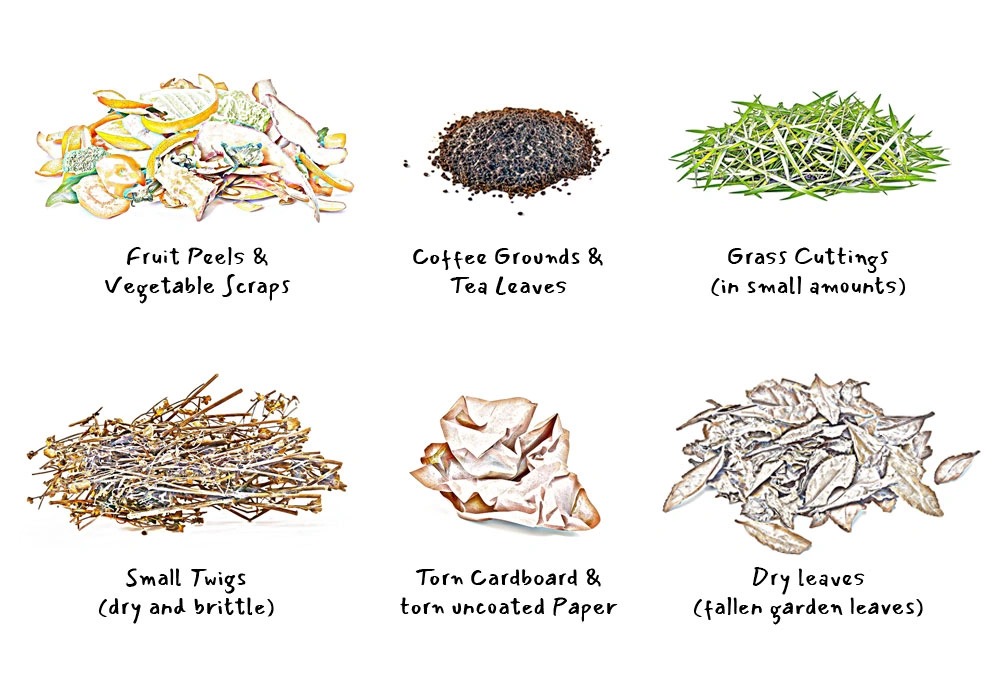
fruit peels, vegetable scraps, coffee grounds, tea leaves, crushed eggshells, dry leaves, paper/cardboard. - Avoid adding:
meat, fish, dairy, oily cooked food, plastic, foil, coated packaging, chemicals.
3. Keep the Balance Right
The secret to good compost is balance. Your compost needs both “green” and “brown” materials.
- Green materials are fresh and moist, such as fruit peels, vegetable scraps, coffee grounds, tea leaves, and grass cuttings.
- Brown materials are dry, such as dry leaves, cardboard, paper, and small twigs.
Simple Rule:
This simple layering method helps absorb moisture, reduce smell, keep flies away, and maintain a healthy compost mix.
4. Let Nature Do the Work
Composting works best when your bin has air, moisture, and time. Your compost should feel like a damp sponge — not soaking wet and not completely dry.
Turn or mix your compost every one to two weeks to let air in and help the materials break down faster.
Quick Fix:
If your compost smells bad, add dry leaves or cardboard and mix well. It may be too wet or lacking airflow.
In Mauritius, the warm climate can help compost break down faster. A well-balanced compost bin may start producing usable compost in around 8 to 12 weeks, while a normal home compost setup may take 3 to 6 months depending on conditions.
5. Use Your Compost Naturally
Finished compost should look dark, crumbly, and soil-like, with a natural earthy smell. It should not smell rotten or feel overly wet.
Use your compost to enrich:
- Garden beds
- Potted plants
- Herbs and vegetables
- Fruit trees
- Flowers and shrubs
Simple Mix:
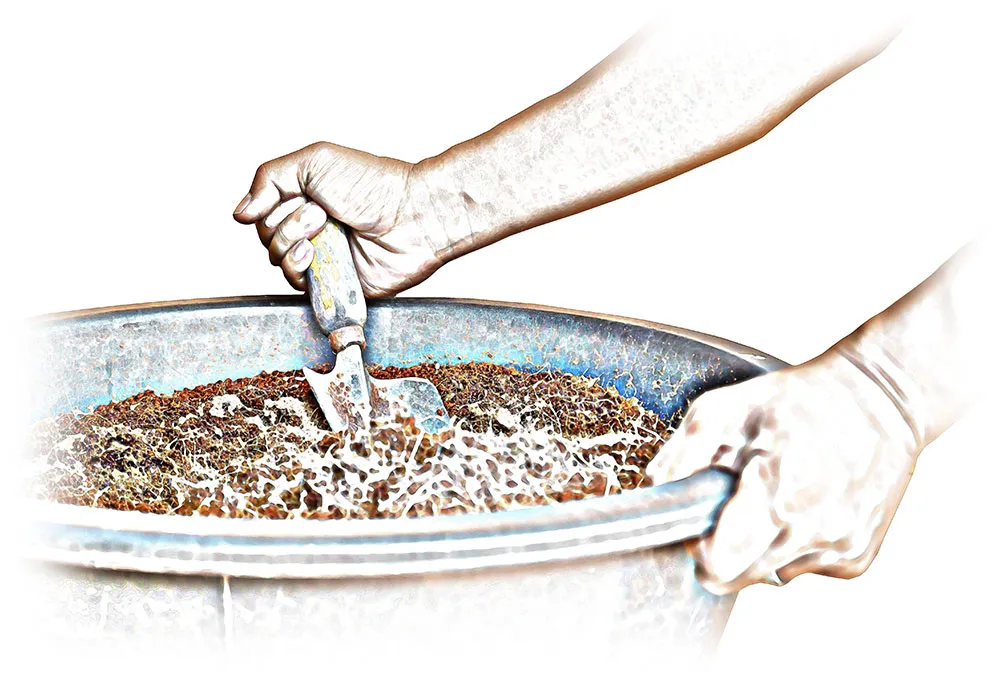
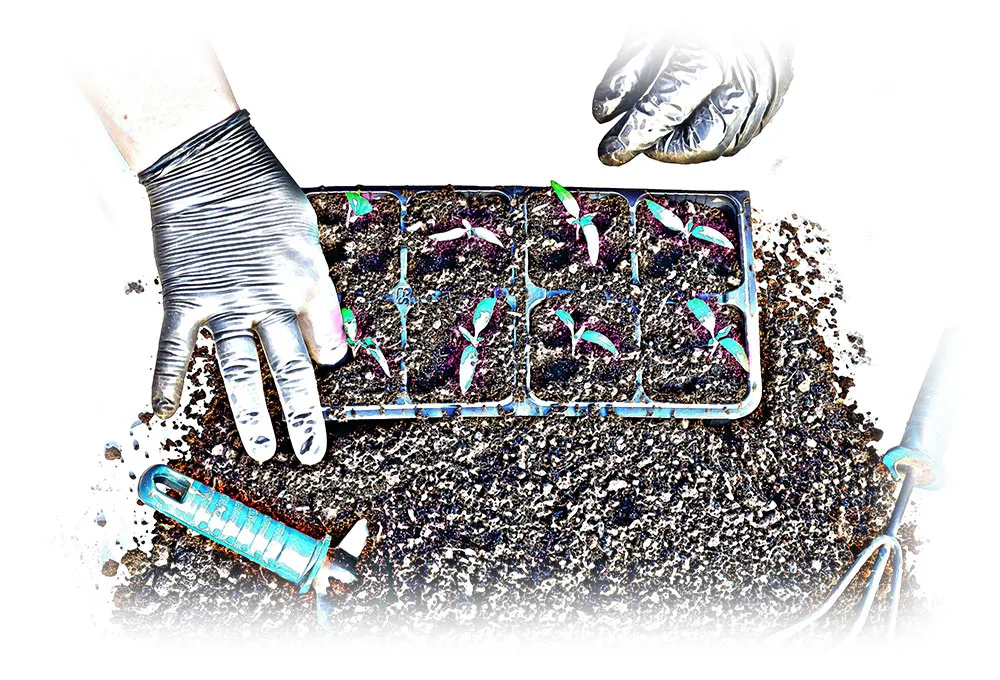
For pots and planters, use 1 part compost with 3 parts soil. This gives your plants nutrients while keeping the soil balanced.
Eco Pick Bonus Tip:
Use compost as a natural soil booster. A little goes a long way!